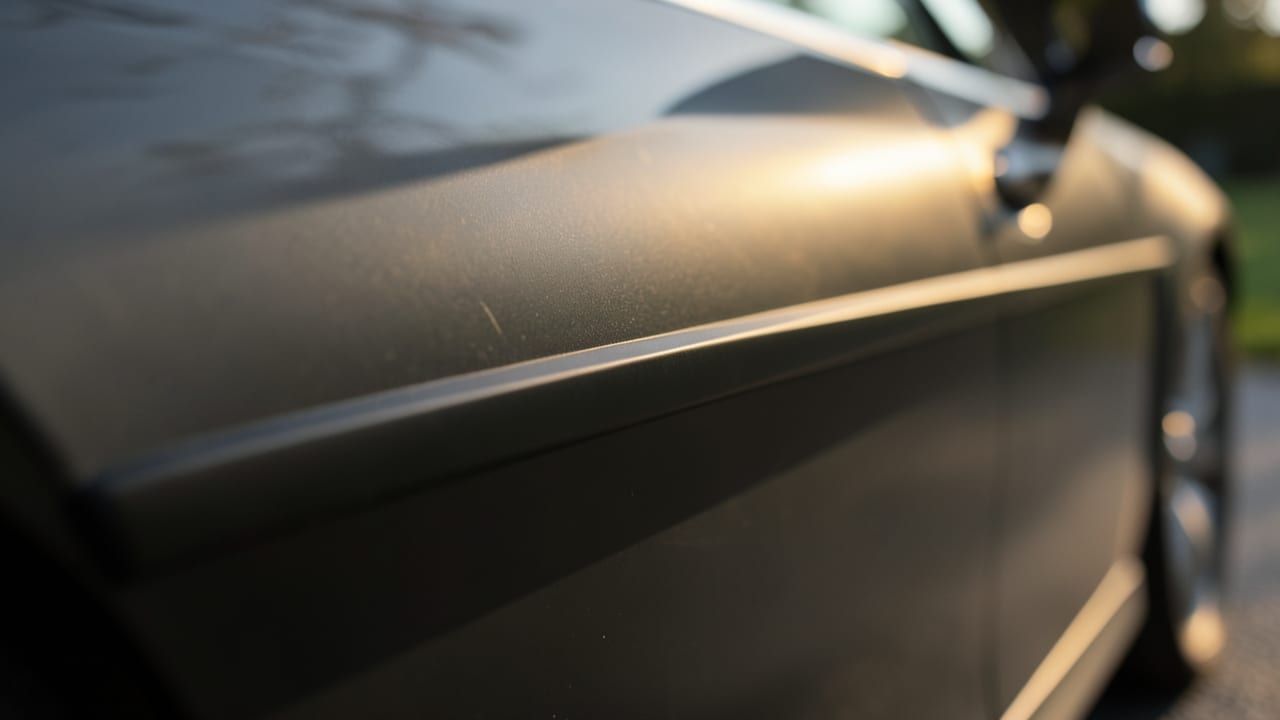
Plastic Trim Restoration
Restoring faded or discolored plastic trim with ceramic coatings or protective treatments.
In Maitland, FL, plastic trim restoration revives faded or weathered exterior vehicle trim using ceramic coatings and protective treatments. This process cleans, preps, and seals plastic surfaces to restore shine and shield against UV damage, heat, and environmental wear, extending the life of your vehicle’s appearance in Florida’s climate.
When your trim needs restoration
Plastic trim restoration is intended to address visible signs of wear, such as dullness, discoloration, or a loss of gloss. These issues often develop from prolonged exposure to Florida’s sun, bird droppings, tree sap, or routine washing that leaves behind fine scratches.
We also handle Oxidation Removal and Pre-Winter Paint Sealant Application for Maitland vehicles.
The trim may also feel rough to the touch or fail to repel water smoothly, indicating that contaminants have built up under the surface.
Unlike paint, plastic trim cannot be refinished, so restoration focuses on cleaning, decontamination, and applying a protective layer. This process helps restore the original factory finish and adds a layer of defense against future damage, but it won’t correct deep scratches, cracks, or physical damage to the trim itself.
Signs Your Trim Needs Restoration
- Water beads unevenly or spreads into a flat sheet instead of rolling off smoothly.
- Trim feels rough or gritty when touched with clean fingertips, not glass-smooth.
- Dull or hazy appearance after washing, rather than a glossy, reflective shine.
- Visible fine swirl marks or light scratches, especially noticeable under direct sunlight or a flashlight.
- Discoloration or fading from prolonged sun exposure, even after regular cleaning.
What affects the process and results
The effectiveness of plastic trim restoration depends on the current condition of the trim and the steps taken during preparation. Skipping decontamination or paint correction can leave contaminants trapped under the coating, reducing its lifespan.
Environmental factors like humidity, temperature, and curing conditions also play a role in how the coating bonds and performs over time.
Results vary based on how well the surface is prepped before coating. For example, trim with deep scratches or physical damage may not achieve the same level of restoration as lightly worn surfaces.
Additionally, how you care for the trim after restoration—such as avoiding automatic car washes and using proper cleaning products—impacts how long the finish lasts.
| Factor | Impact on Restoration |
|---|---|
| Surface Contamination (brake dust, tar, industrial fallout) | Reduces coating adhesion; shortens protection lifespan if not removed. |
| Swirl Marks or Light Scratches | Locks imperfections in place if not corrected before coating. |
| Humidity and Temperature During Application | Affects curing; improper conditions may cause streaks or uneven finish. |
| Post-Restoration Care (washing, parking, exposure to elements) | Determines how long the coating remains effective. |
| Type of Coating Used (SiO2 vs. Graphene, Single vs. Multi-Layer) | Influences durability and protection length, typically ranging from 1-5 years. |
How plastic trim restoration works
Restoration begins with thorough cleaning and decontamination to prepare the trim for coating.
- 1Foam Wash and Wheel Cleaning
The trim and vehicle receive a foam pre-wash to remove loose dirt, followed by a dedicated wheel-and-tire cleaning pass. Different mitts are used for paint and wheels to prevent brake dust from scratching the trim during the process.
- 2Chemical Decontamination
Iron remover strips embedded brake dust, and tar/bug remover lifts road grime. These chemicals target contaminants below the surface that washing alone cannot remove, ensuring a clean base for coating.
- 3Clay Bar Treatment
A clay bar or mitt is worked across every panel with lubricant to pull out bonded contaminants like overspray or industrial fallout. The surface is considered ready when it feels smooth to the touch.
- 4Paint Inspection and Correction
The trim is inspected under raking light for swirl marks or scratches. A correction polish is applied where needed to smooth the surface before coating, as applying coating over imperfections locks them in permanently.
- 5Coating Application and Cure
The coating is applied panel by panel in a controlled environment with specific humidity and temperature. The vehicle is left undisturbed during the cure period, typically 24-72 hours, before exposure to rain or washing.
Frequently asked questions
Will plastic trim restoration make deep scratches or cracks disappear?
No, restoration focuses on cleaning, decontamination, and applying a protective coating. It won’t fill in or hide deep scratches, cracks, or physical damage to the trim itself. The process is intended to restore shine and protect against future wear, not repair structural issues.
How long does the coating last on plastic trim?
The lifespan of the coating depends on factors like prep quality, environmental conditions, and post-restoration care. Typically, a well-applied coating on plastic trim lasts 1-3 years in Florida’s climate, but results vary with how well the surface is maintained after application.
Can I wash my vehicle right after the coating is applied?
No, the vehicle must remain undisturbed during the coating’s cure period, which usually lasts 24-72 hours. Washing or exposing the coating to rain before it fully cures can cause water-spot marks or uneven hardening, reducing its effectiveness.
What should I avoid doing after my trim is restored?
Avoid automatic car washes with spinning brushes, as they can introduce fine scratching. Park in shade or a garage for the first few days to allow even curing, and rinse off bird droppings or tree sap within a day or two to prevent etching. Use a two-bucket wash method with pH-neutral soap for ongoing care.
Where Maitland sits, and what the Census lists nearby
Maitland sits in Florida, and the closest places listed in the U.S. Census Gazetteer are Eatonville (1.6 miles southwest), Fern Park (2.1 miles northeast), Fairview Shores (2.5 miles southwest), Altamonte Springs (2.5 miles northwest).
Within 25 miles of Maitland the same source lists 81 distinct incorporated places and census-designated places.
Those figures matter for plastic trim restoration because they are straight-line distances between Census coordinate points: road mileage between Maitland and Eatonville runs longer than the 1.6 miles shown, which is why quotes for the same job differ between towns that look close together on a map.
Source: U.S. Census Bureau Gazetteer.
See Winter Springs, FL for more, or see what's included in our Maitland service side by side for our complete lineup.
Ready to get started?
Talk to a local ceramic coating pro in Maitland — get a written quote.
Other Ceramic Coating Services in Maitland
Oxidation Removal in Maitland, FL
Professional removal of oxidation from vehicle paint to restore clarity and prepare surfaces for ceramic coating.
Learn More
Pre-Winter Paint Sealant Application in Maitland, FL
Professional application of ceramic-based sealant to protect vehicle paint before winter.
Learn More
Spring Paint Rejuvenation in Maitland, FL
Ceramic coating and paint correction to restore and protect vehicle surfaces.
Learn More
Annual Ceramic Maintenance Wash in Maitland, FL
Professional cleaning and reapplication of ceramic coatings to preserve paint protection.
Learn More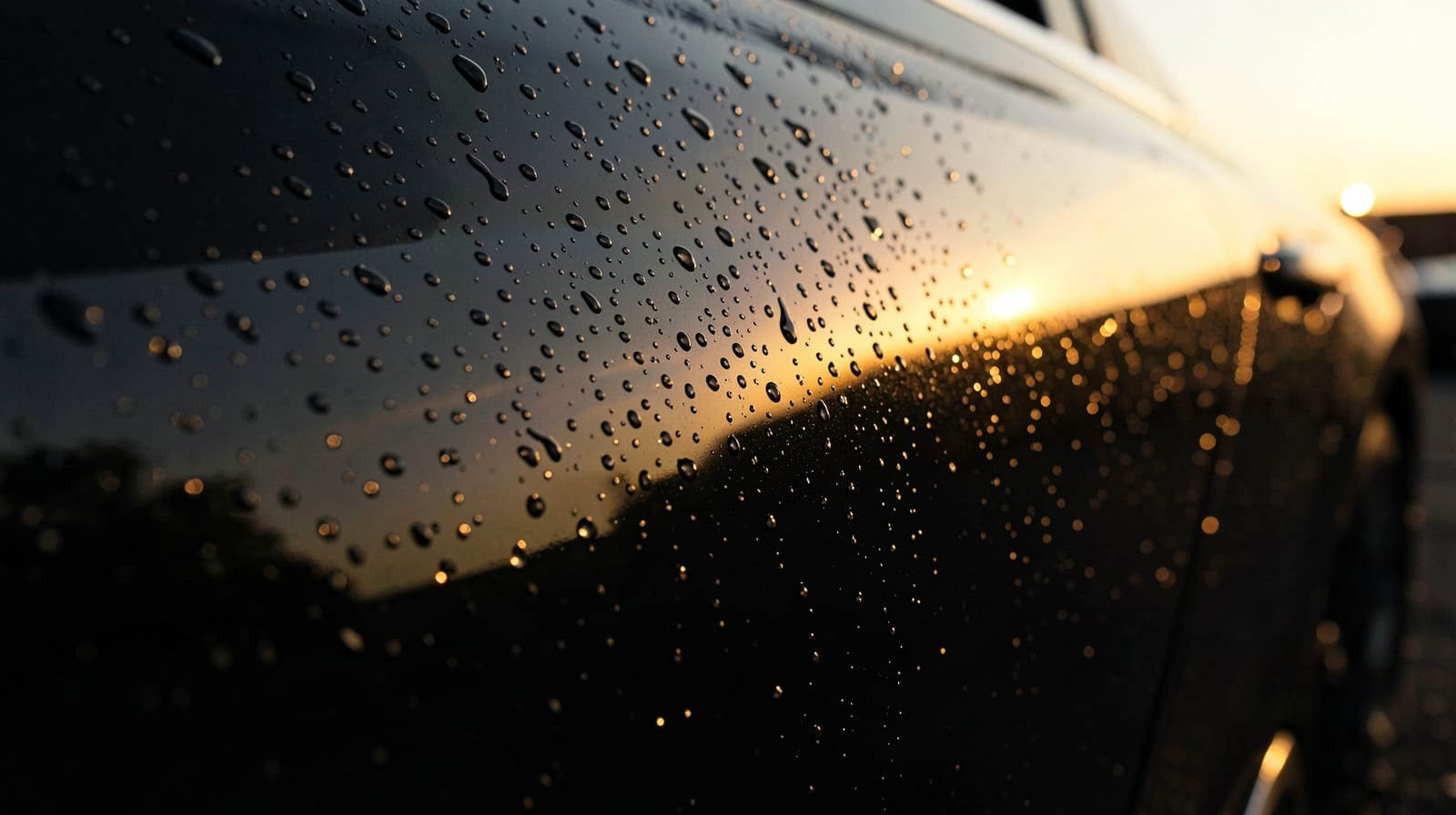
Full-Vehicle Ceramic Coating in Maitland, FL
Professional nano-ceramic coating for vehicles in Maitland, FL — a hard, semi-permanent SiO2 layer for deep gloss, strong hydrophobic protection, and easier washing.
Learn More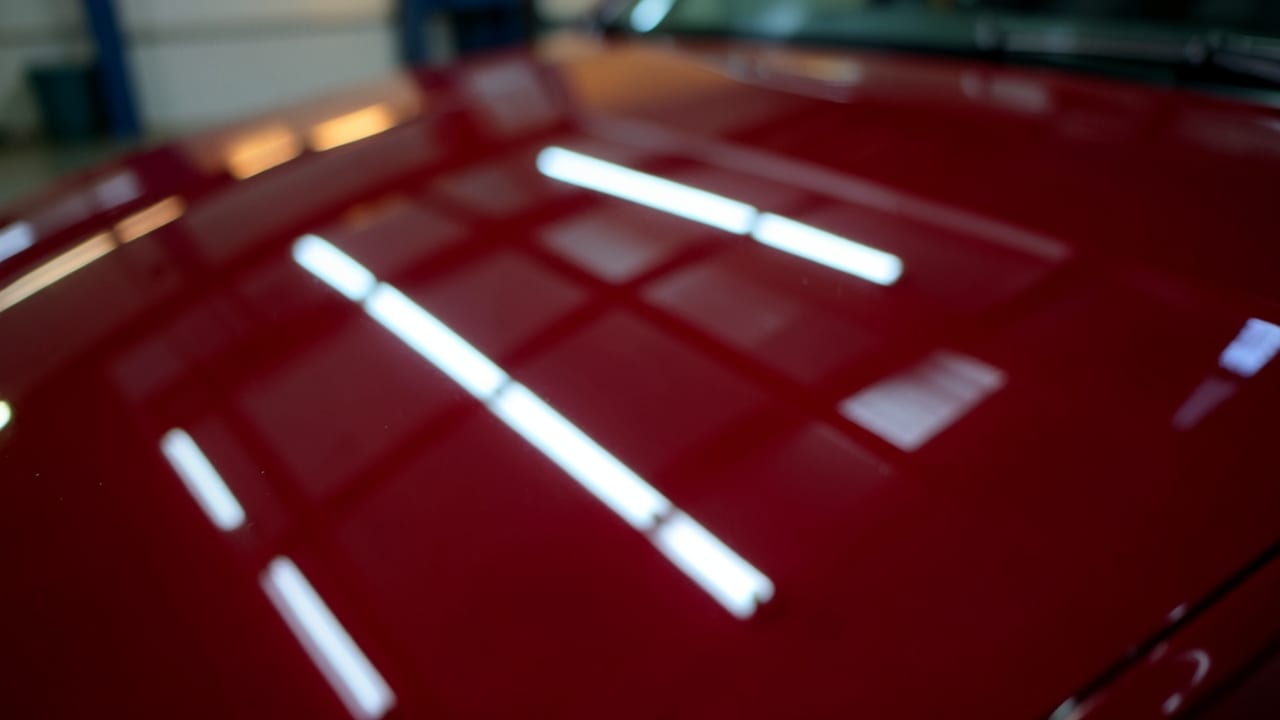
Paint Correction & Polishing in Maitland, FL
Machine paint correction and polishing in Maitland, FL — removes swirl marks, oxidation, and water spots, and is the mandatory first step before any ceramic coating.
Learn MoreCommon Questions About Ceramic Coating in Maitland
Everything you need to know about ceramic coating services in Maitland
How much does Plastic Trim Restoration typically cost in Maitland, FL?
Does intense UV and dust in Maitland, FL change coating maintenance?
Can a ceramic coating be applied over existing swirl marks or light scratches?
Is ceramic coating ever covered by comprehensive auto insurance?
Can ceramic coating be applied over a vinyl wrap or matte paint?
What does proper paint prep before a ceramic coating actually involve?
Need Ceramic Coating in Maitland?
Get a written quote from our Maitland crew.
⏰ We answer your call • Serving all of Maitland and surrounding areas